Central Institute of Higher Tibetan Studies (CIHTS) - Sarnath
Deemed University • Preservation & Study of Tibetan-Buddhist Traditions
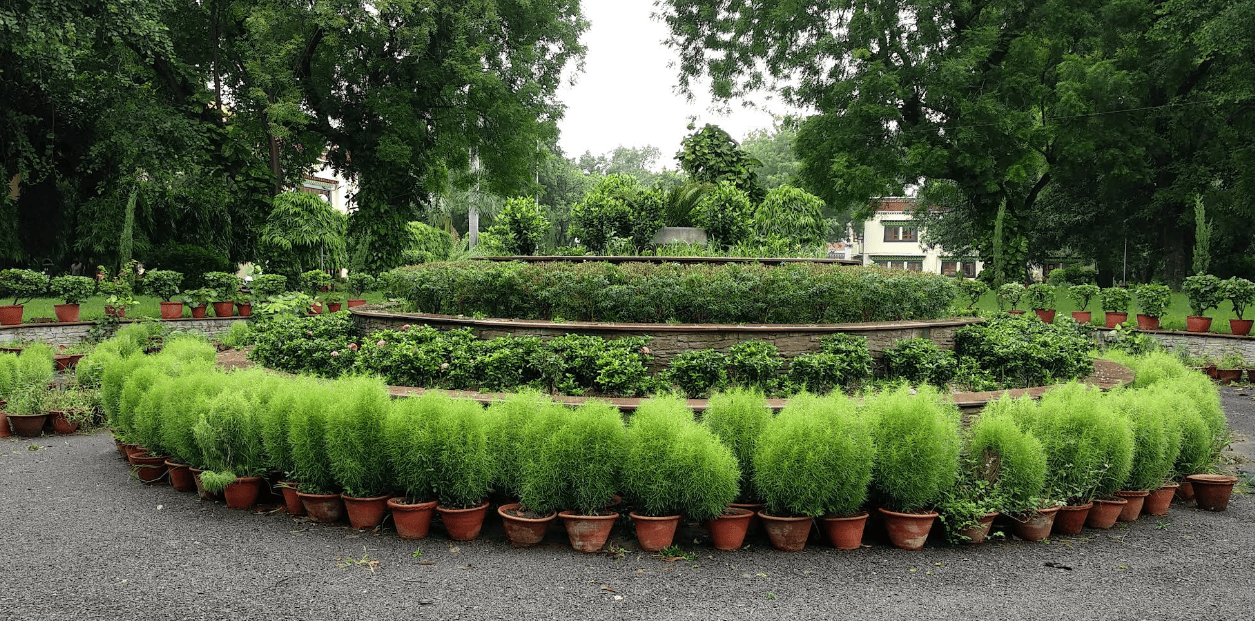
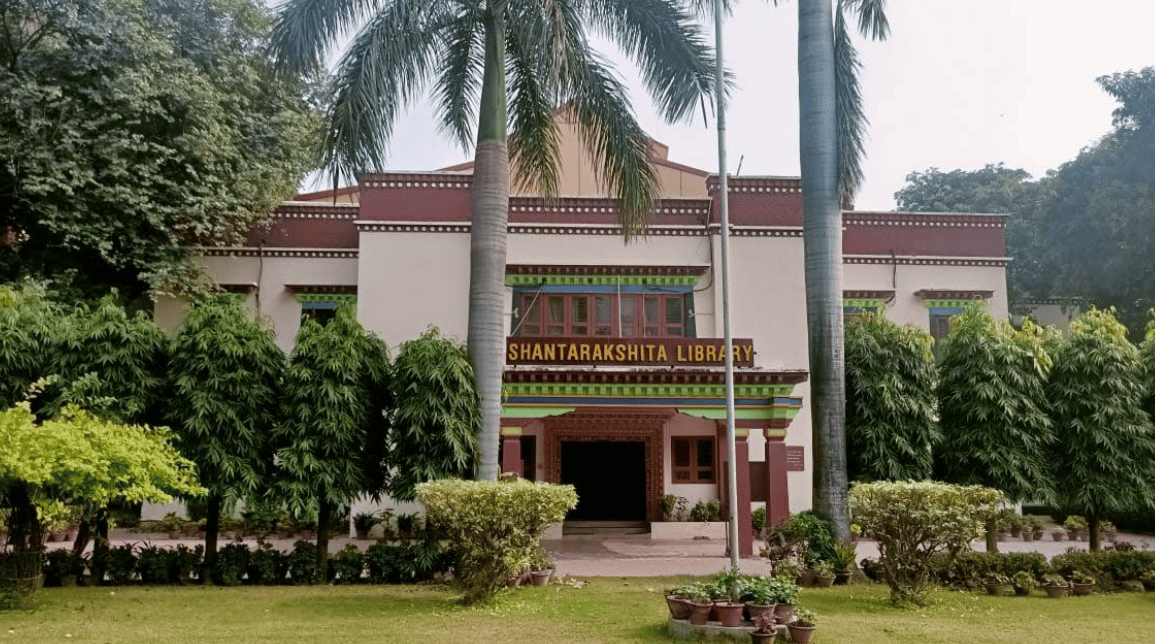
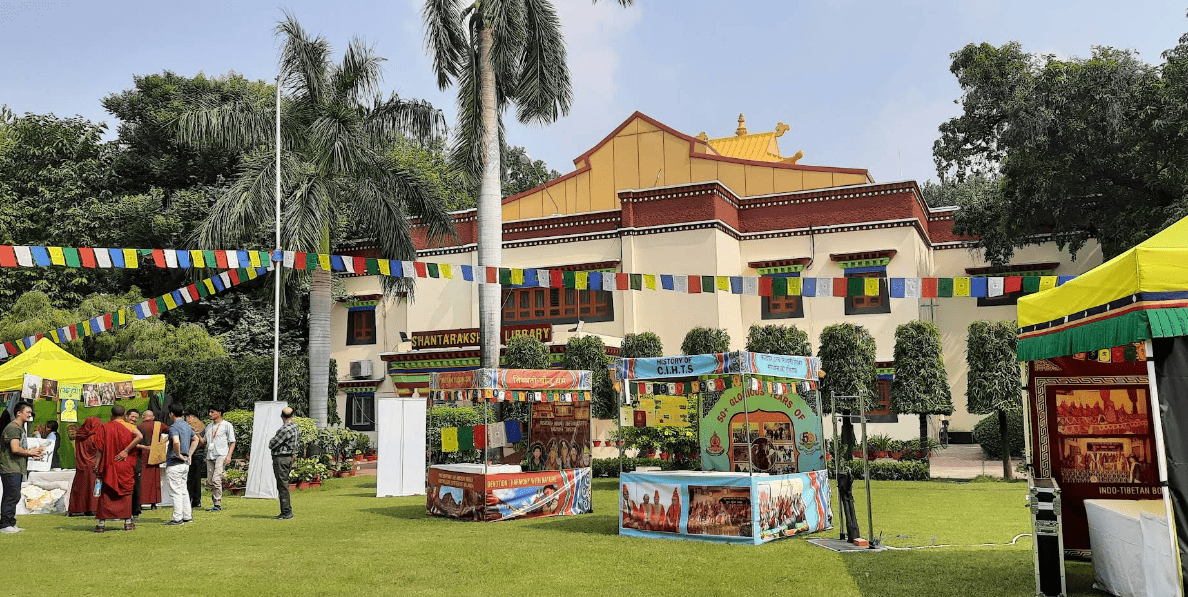
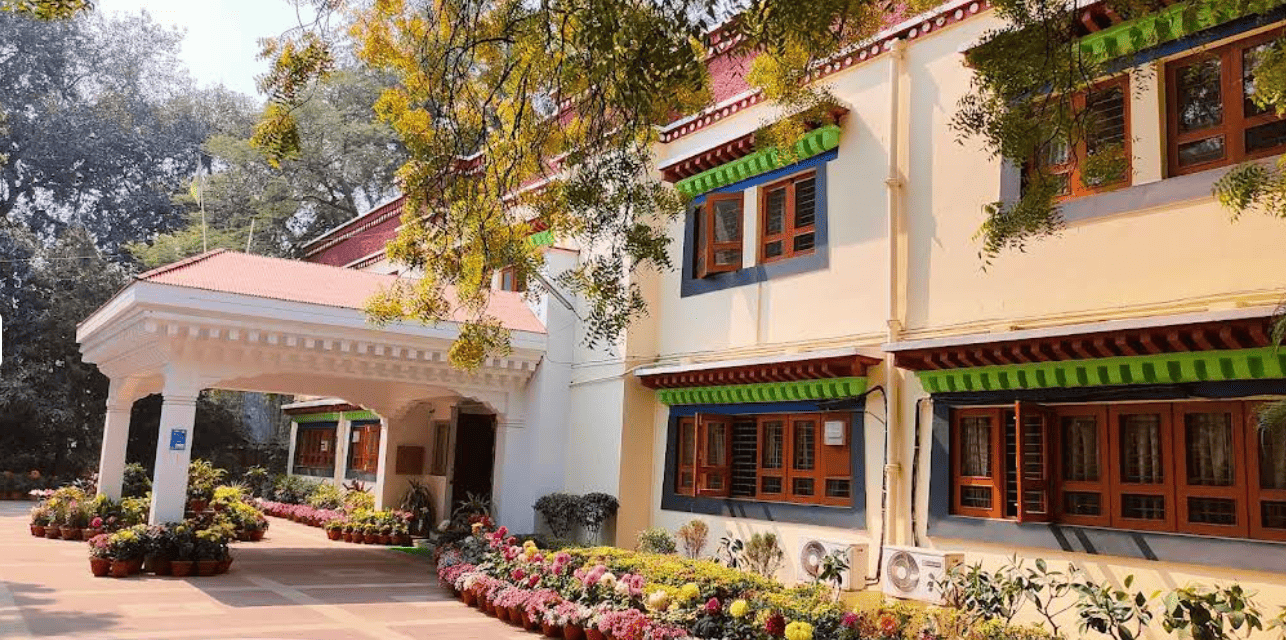
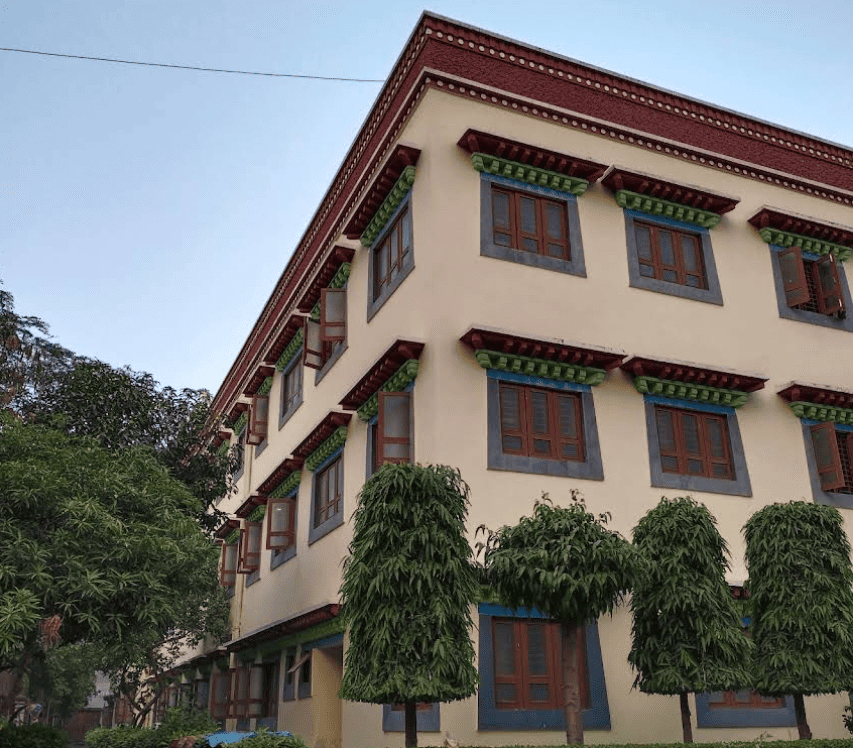
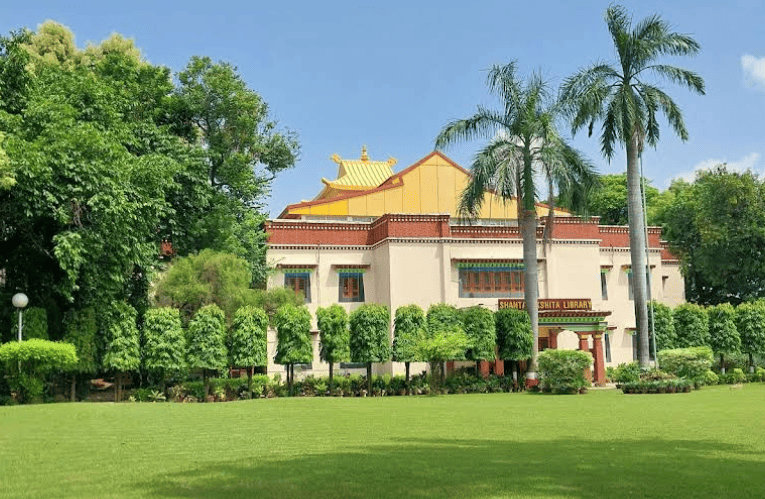
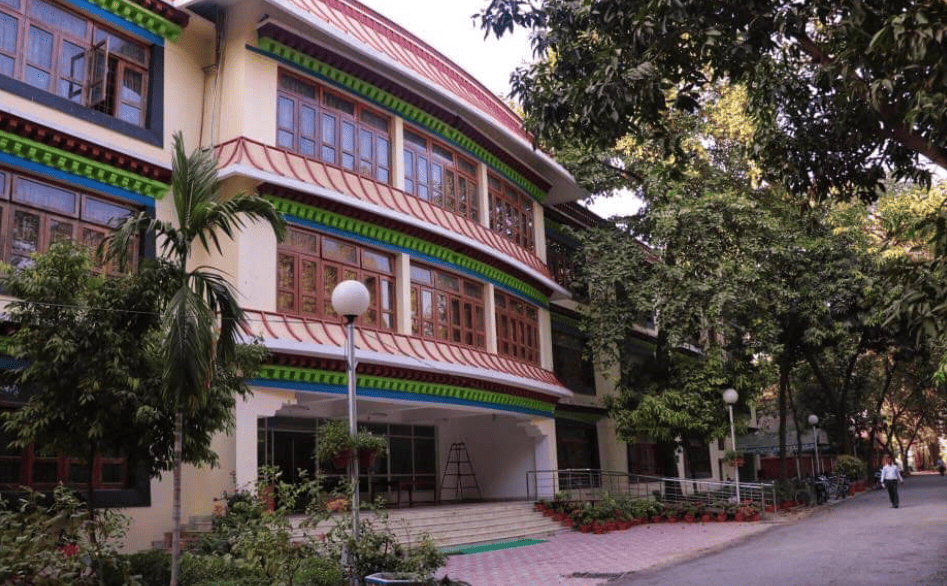
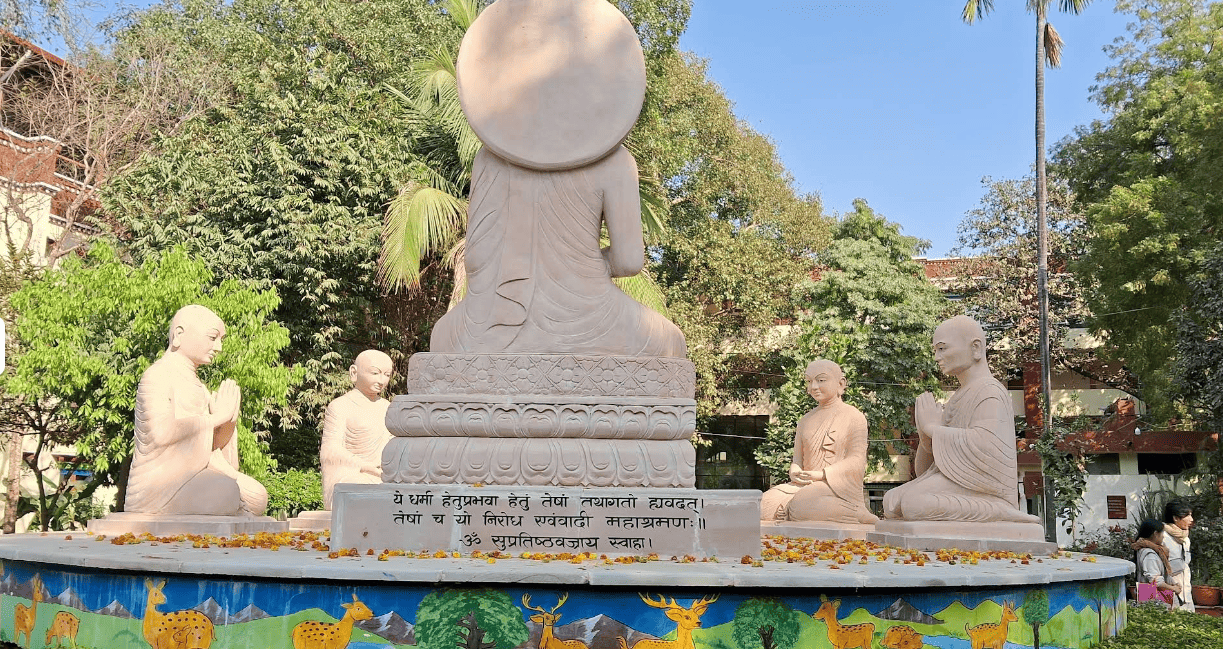
Campus Gallery
🎥 CIHTS Campus / Intro Video
(Replace EMBED_VIDEO_ID below with the YouTube video id — e.g. for https://youtu.be/ABC123 use ABC123.)
About CIHTS (Central Institute of Higher Tibetan Studies)
The Central Institute of Higher Tibetan Studies (CIHTS), Sarnath (Varanasi) is a Government-funded deemed university founded in 1967 to provide higher education in Tibetan language, Buddhist philosophy, culture, and traditional sciences such as Sowa-Rigpa (Tibetan medicine). Located close to the historic site of Sarnath, CIHTS blends traditional monastic scholarship with modern academic methods and research.
History & Background
Founded in 1967, CIHTS was established to serve educational needs of Tibetan youth (in exile) and Himalayan communities, and to conserve Tibetan Buddhist textual and cultural heritage. Over decades it has grown into a recognized centre of learning with NAAC accreditation and UGC recognition.
The institute’s campus at Sarnath offers a tranquil, scholarly environment amid Buddhist sites, making it ideal for the study of Buddhist thought and cultural exchange.
Vision & Mission
Vision: To be a global hub for Tibetan and Buddhist studies, research and preservation of the Indo-Tibetan cultural heritage.
Mission: Integrate traditional Tibetan/Buddhist scholarship with modern academia, promote research, train practitioners (e.g., Sowa-Rigpa), and facilitate cultural exchange.
Academic Structure & Departments
CIHTS offers a range of programmes across levels and disciplines. Key academic areas include:
Buddhist Philosophy & Indo-Tibetan Studies
Tibetan Language & Literature
Sowa-Rigpa (Traditional Tibetan Medicine)
Tibetan Jyotish (Astrology) & Ritual Studies
Fine Arts & Thangka Painting
History & Cultural Studies of Himalayan regions
Research centres for manuscriptology, translation & preservation
Admission rules vary per programme — always check official notices. Typical points:
Applications: Online / offline application forms as per prospectus.
Entrance: Many programmes require institute entrance tests; some may be merit-based.
Eligibility: Depends on course — e.g., Purva Madhyama may require lower secondary completion with Tibetan language knowledge; Acharya requires UG (Shastri) or equivalent.
Documents: Mark sheets, DOB proof, caste certificate (if applicable), migration certificate, photograph, identity proof.
Reserved seats / special quotas: Certain seats may be reserved for Tibetan community / Himalayan regions / specific categories — check prospectus.
For accurate dates and forms, use the official CIHTS admissions page (or campus notice board).
Fees, Scholarships & Financial Support
CIHTS being supported by the Ministry of Culture often offers subsidized/affordable fee structures. Scholarships & financial supports include:
Government scholarships for eligible students
Fellowships and research assistantships for MPhil / PhD candidates
Special provisions for Tibetan exile students and students from Himalayan regions
Check CIHTS website / office for current fee details and scholarship notices
Campus Life & Facilities
Residential Campus
CIHTS provides hostel accommodation for students; the campus is residential for many programmes, fostering a focused academic and community life.
Library & Manuscripts
Specialized libraries with Tibetan texts, manuscripts, translations and modern reference materials. Manuscript preservation is an active area.
Healthcare & Sowa-Rigpa Clinic
A functioning Sowa-Rigpa clinic and labs support the studying and practising of Tibetan medicine within campus facilities.
Cultural & Academic Activities
Regular seminars, workshops, Buddhist ritual practice, arts training (thangka) and cultural festivals connect students to living traditions.
Research, Publications & Collaborations
CIHTS engages in:
Textual research, critical editions and translations
Manuscript cataloguing and conservation projects
Collaborations with international Buddhist and Indology centres
Workshops and joint research projects on Himalayan cultures, medicine and linguistics
Career Paths & Opportunities
Graduates and researchers from CIHTS find roles in:
Teaching and academics (schools, colleges, higher education)
Research institutes, museums, libraries and archives
Traditional medicine practice (Sowa-Rigpa clinics) and healthcare settings
Translation, publishing, cultural heritage management
Government / NGO work focused on Himalayan & Tibetan communities
Strengths & Things to Consider
Unique niche: one of India’s leading centres for Tibetan and Buddhist studies.
Strong preservation focus (manuscripts & traditional knowledge).
Residential campus ideal for immersive learning.
Not suited if you're seeking mainstream engineering/commerce training — it’s a specialist institute.
Always confirm admission rules, seat reservations, and fee structure from the official site before applying.
Contact & Important Links
Address: Central Institute of Higher Tibetan Studies, Sarnath, Varanasi, Uttar Pradesh, India.
Phone / Email: Check official website for current contact numbers and email addresses.
Advice for Applicants
Carefully read the prospectus and eligibility for the programme you want.
If you’re from a non-Tibetan background but interested in courses, check language prerequisites.
Prepare documents (DOB, marksheets, caste certificate, migration certificate) before application.
For research programmes, contact potential supervisors and prepare a short research plan.
Disclaimer
This page is an informational template for CIHTS and not an official university page. For authenticated notices, admission dates, fee structures and circulars always refer to the official CIHTS website (cihts.ac.in) or contact the institute directly.